The History of Venezuelan Art and Literature: Venezuelan Artists from Past and Present Who Have Left Their Mark on the World!
By Jesús Rafael Marcano Guzmán
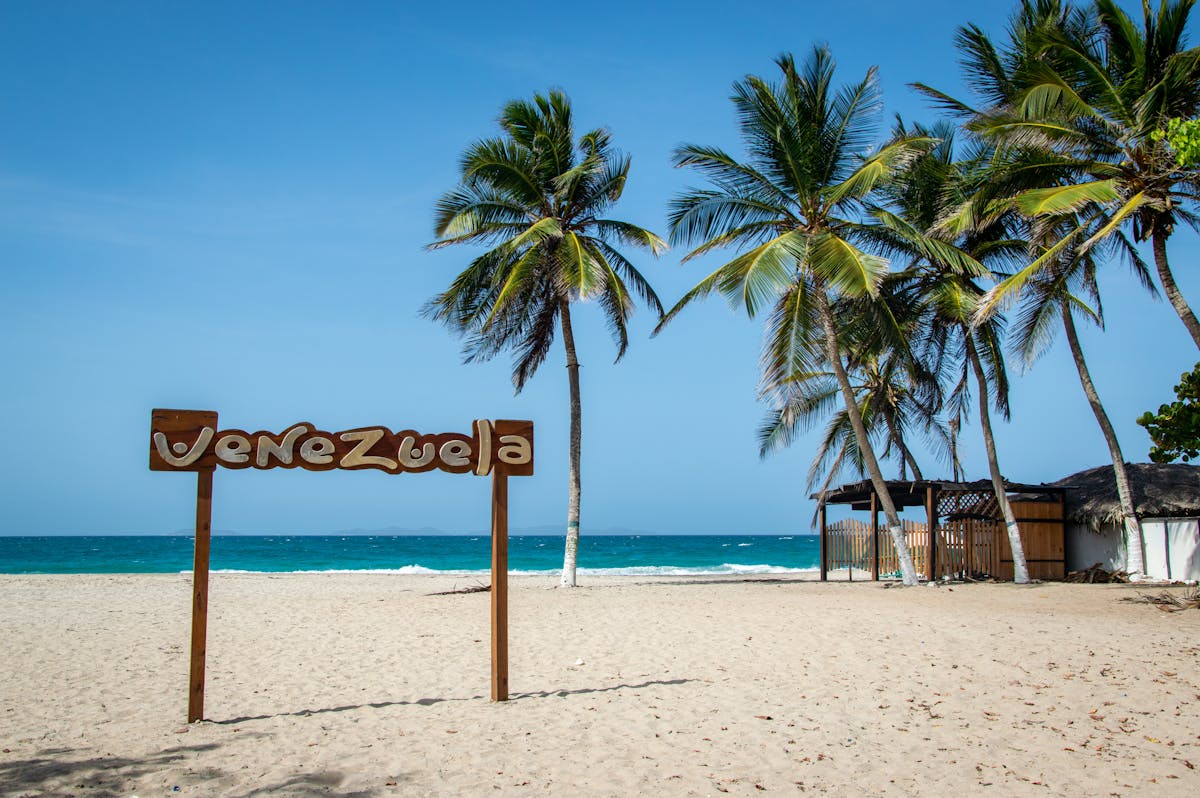
Venezuela’s creative history is defined as a constant dialogue between the exuberance of the tropics and the rigor of form. From the historical canvas to the fold of a piece of paper, Venezuelan art seeks to capture the essence of reality through diverse movements and eras.
- Colonial and Independence Era (18th – 19th Centuries)
During this period, art served as a reflection and symbol of the republican birth. In the visual arts, civil portraiture and patriotic iconography stood out. Juan Lovera, known as the “Painter of the Heroes,” is the central figure for recording foundational moments such as the events of April 19th. Meanwhile, literature was placed at the service of enlightenment and liberating pedagogy through the figures of the linguist and humanist philosopher Andrés Bello and the master Simón Rodríguez, who laid the foundations of Hispano-American thought.
- The 19th Century: The Splendor of Academism
Under the influence of European schools, the mastery of oil painting technique reached its peak in Venezuela. Arturo Michelena established himself as the master of heroic composition, while Cristóbal Rojas explored social drama and chiaroscuro. In the literary realm, the lyrical romanticism of Juan Antonio Pérez Bonalde introduced a melancholic sensibility and emotional depth that defined the poetry of the late century.
- Early 20th Century: Landscape Painting and the Genesis of Magical Realism
This period marked a break from the closed studio to paint the natural atmosphere. The Círculo de Bellas Artes, with Manuel Cabré at the forefront, defined the visual identity of the Caracas Valley. Simultaneously, Armando Reverón revolutionized artistic drawing by focusing on “white light.”
In literature, this climate of exploration gave rise to one of Venezuela’s greatest contributions to the world: Magical Realism. It was Arturo Uslar Pietri who coined this term to describe the coexistence of the everyday with the mysterious. His novel Las lanzas coloradas and his short stories marked the beginning of an aesthetic where history and myth intertwine. Alongside him, Rómulo Gallegos and Teresa de la Parra elevated narrative through the exploration of the psyche and the land.
- Modernity, Avant-Garde, and Fantastic Literature (1950 – 1980)
Venezuela became the world epicenter of kinetic art. Jesús Soto and Carlos Cruz-Diez allowed art to be experienced through the vibration of color and the participation of the spectator.
In letters, while kinetism ordered space, Venezuelan Fantastic Literature began to disorder logic. Authors like Julio Garmendia, with his work La tienda de muñecos, laid the foundations for the urban fantastic and the absurd, moving away from traditional criollismo. Other relevant exponents such as Salvador Garmendia and later Ednodio Quintero, delved into the oneiric, the doppelgänger, and the disturbing, creating a tradition of the fantastic that remains current. This era also saw the birth of the reflective poetry of Rafael Cadenas (winner of the 2022 Cervantes Prize) and the mystical force of Vicente Gerbasi.
- The Era of Minimalism and Neo-Stoicism: Origami, Haiku, and Jaykismo (Contemporary)
Currently, the search for beauty has shifted towards the minimal and the essential, where literature and manual arts converge in an integrative life philosophy.
Origami as a Healing Discipline
Origami in Venezuela has transcended mere craft to become a sculptural art and a therapeutic tool. This discipline, understood as an “art capable of healing” according to Marcano (2025), uses paper folding to structure thought. The geometric precision required in modular origami connects directly with the abstract and kinetic heritage of previous decades.
Haiku, Senryū, and Jaykismo
Japanese poetic brevity has found a solid home in the Venezuelan pen, adapting the haiku meter (5-7-5) to Caribbean fauna and flora. Poets like Eugenio Montejo and Wafi Salih have been pillars in this transition. In this context, the figure of Jesús Rafael Marcano Guzmán is fundamental, as he has managed to amalgamate the art of origami with short-form poetry.
Through his proposal of Jaykismo, Marcano Guzmán has expanded the limits of traditional haiku, granting it a universal dimension that has taken his work to international magazines in Asia and Europe. His poetic series function as a “drawing of words,” seeking the same visual purity as a line on canvas. The use of senryū also allows him to capture the irony and everyday nature of the human condition with an incisive brushstroke of barely three verses.
The history of art and literature in Venezuela is a constant path towards the purification of form and the exploration of the invisible. From the historical realism of Michelena and the magical realism of Uslar Pietri, to the delicate precision of a folded paper or a haiku by Marcano Guzmán, the common thread remains the same: the Venezuelan creator’s desire to grant order, light, and mystery to the human experience.
About the Author
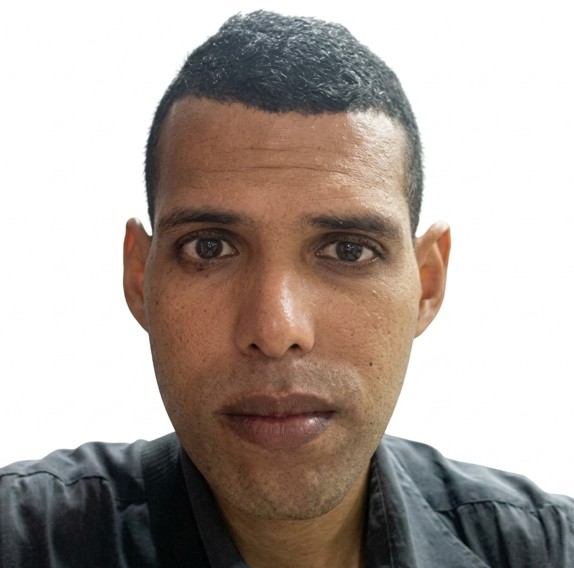
Jesús Rafael Marcano is a Venezuelan writer, poet, and Orientalist specializing in Japanese literature.